


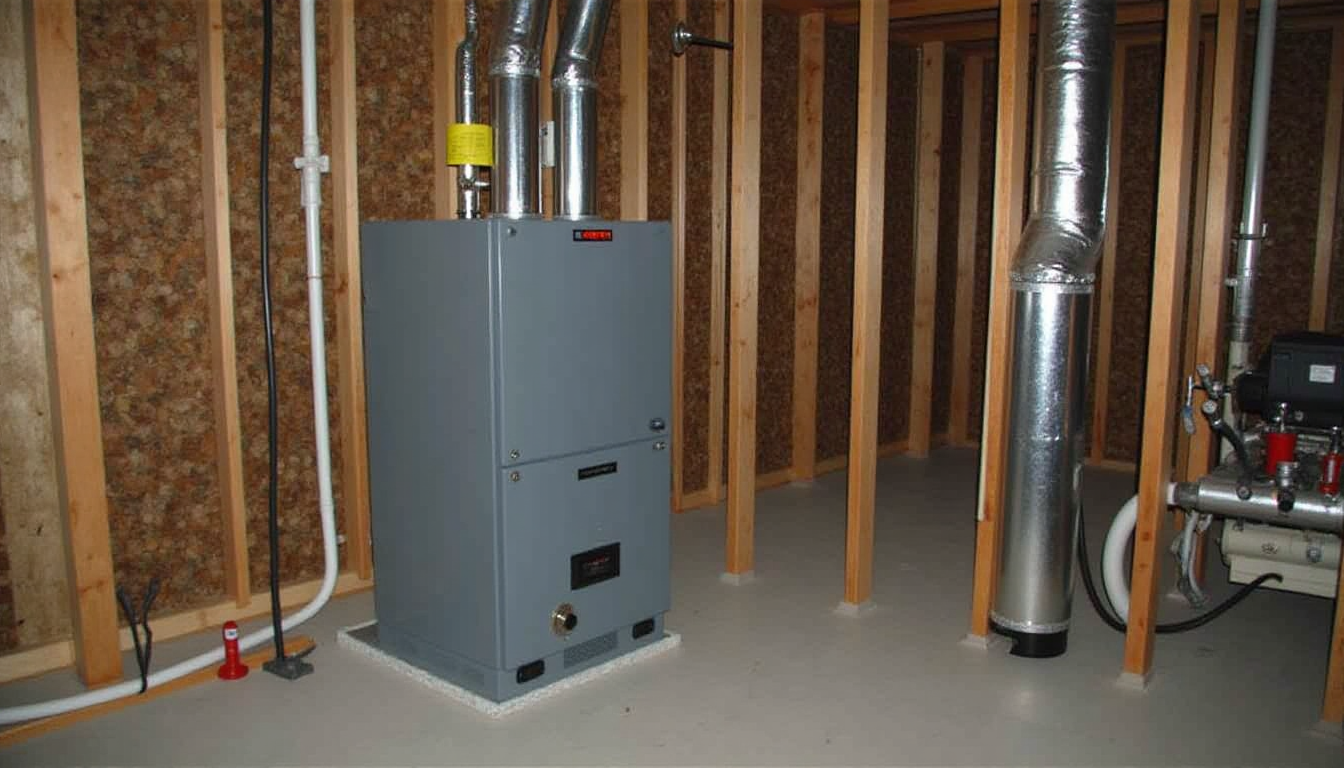
What maintenance does a furnace need?
Regular furnace maintenance is essential to keep the system running efficiently, safely, and reliably. One of the most important maintenance tasks is replacing or cleaning the air filter every one to three months. A dirty filter restricts airflow, forcing the furnace to work harder and increasing energy costs. The blower motor and fan should also be inspected and cleaned to ensure proper air circulation throughout the home.
Another key maintenance step is checking the thermostat to make sure it is accurate and functioning correctly. The furnace’s heat exchanger should be inspected for cracks or corrosion, as damage can lead to dangerous carbon monoxide leaks. Burners should be cleaned and adjusted to ensure proper combustion, which helps maintain efficiency and safety.
Additionally, all electrical connections, belts, and moving parts should be inspected and tightened or lubricated as needed. Venting and flue pipes must be checked for blockages to allow exhaust gases to exit safely. Scheduling a professional furnace inspection once a year—preferably before the heating season—helps identify small problems early, prevents unexpected breakdowns, and extends the overall lifespan of the furnace.
What is the most common part to fail on a furnace?
The most common part to fail on a furnace is the ignition system, which includes components such as the hot surface igniter or pilot light assembly. The igniter is responsible for lighting the burners so the furnace can produce heat. Over time, this part can crack, wear out, or stop working due to normal use, power surges, or dirt buildup. When the igniter fails, the furnace may turn on but fail to produce heat.
Another frequently failing component is the flame sensor. This small but important part detects whether a flame is present. If it becomes dirty or coated with residue, it may incorrectly signal that no flame exists, causing the furnace to shut down as a safety measure. Thermostats are also common sources of problems, as faulty wiring or calibration issues can prevent the furnace from turning on or maintaining the correct temperature.
Blower motors can fail due to lack of lubrication, worn bearings, or electrical issues, leading to reduced airflow or no heat distribution. Regular maintenance can help prevent many of these common failures by keeping parts clean and identifying wear before breakdowns occur.
Why is it important to clean your furnace?
Cleaning your furnace is important because it directly affects efficiency, safety, and indoor air quality. Over time, dust, dirt, and debris can accumulate inside the furnace, especially on the burners, blower, and air filter. When these components are dirty, the furnace must work harder to produce heat, leading to higher energy bills and unnecessary strain on the system.
A dirty furnace can also pose safety risks. Dust buildup on burners can interfere with proper combustion, increasing the risk of carbon monoxide production. Cleaning the furnace helps ensure that exhaust gases are safely vented outside and that all components operate as designed. This is especially important for gas furnaces, where combustion safety is critical.
Additionally, a clean furnace improves indoor air quality. Dirt and debris circulating through the system can trigger allergies, asthma, and other respiratory issues. Regular cleaning reduces the spread of pollutants and creates a healthier living environment. Finally, keeping your furnace clean extends its lifespan by preventing excessive wear and reducing the likelihood of breakdowns. Routine cleaning, combined with annual professional inspections, helps keep your furnace running smoothly and reliably throughout the heating season.
0 Comments